
Escape the City's Roar: Your Guide to Urban Serenity
Ah, the city. A symphony of honking taxis, chattering crowds, and the relentless hum of activity. Sometimes, it's exhilarating. Other times, it's… well, a bit much. If you're craving a moment of peace, a respite from the urban buzz, you're in the right place. Forget those sprawling parks and obvious escapes. We're diving deep into the hidden corners, the unexpected noise havens where tranquility thrives. Get ready to discover seven secret spots where you can actually hear yourself think (and maybe even a bird or two).
1. The Whispering Walls of a Library
Libraries: the original temples of silence. But we're not talking about the bustling main branches. Look for smaller, lesser-known libraries, perhaps in historic buildings or tucked away in residential neighborhoods. These hidden gems often boast reading rooms with soaring ceilings and hushed atmospheres. The only sound you might hear is the gentle rustle of turning pages or the soft click of a librarian's footsteps. Many libraries also have outdoor reading gardens, offering the perfect blend of quiet contemplation and fresh air.
Example: In New York City, the Stephen A. Schwarzman Building, while grand, can be busy. Instead, try the Brooklyn Heights Library – a smaller, more intimate space with stunning views and a noticeably calmer vibe.
2. The Secret Courtyard of a Museum or University
Museums and universities are often surrounded by bustling streets, but within their walls lie oases of calm. Many boast hidden courtyards, often overlooked by the general public. These enclosed spaces, shielded from the city's noise, provide a sanctuary for quiet reflection. Seek out benches, fountains (the gentle trickle of water is incredibly soothing), and lush greenery. The architecture itself often contributes to the tranquility, creating a feeling of being transported to another world.
Anecdote: I once stumbled upon a gorgeous courtyard at the University of Oxford, completely by accident. Surrounded by ancient buildings and filled with the scent of roses, it was a world away from the busy city streets just a few yards away. I spent a blissful hour reading, the only sounds the distant chime of a clock tower and the gentle breeze.
3. The Serene Silence of a Public Garden or Botanical Conservatory
While parks are great, public gardens and conservatories take it a step further. These meticulously designed spaces are often havens of peace, filled with carefully curated plant life and designed to promote a sense of calm. The controlled environment minimizes external noise and often includes elements like water features or soft music. The enclosed nature of a conservatory further insulates you from the city's clamor, providing a truly immersive experience of tranquility.
Tip: Research the specific hours and days when these gardens are less crowded. Early mornings or weekdays are often the best times to visit for maximum peace and quiet.
4. The Hidden Alleyway Cafe (with the Right Atmosphere)
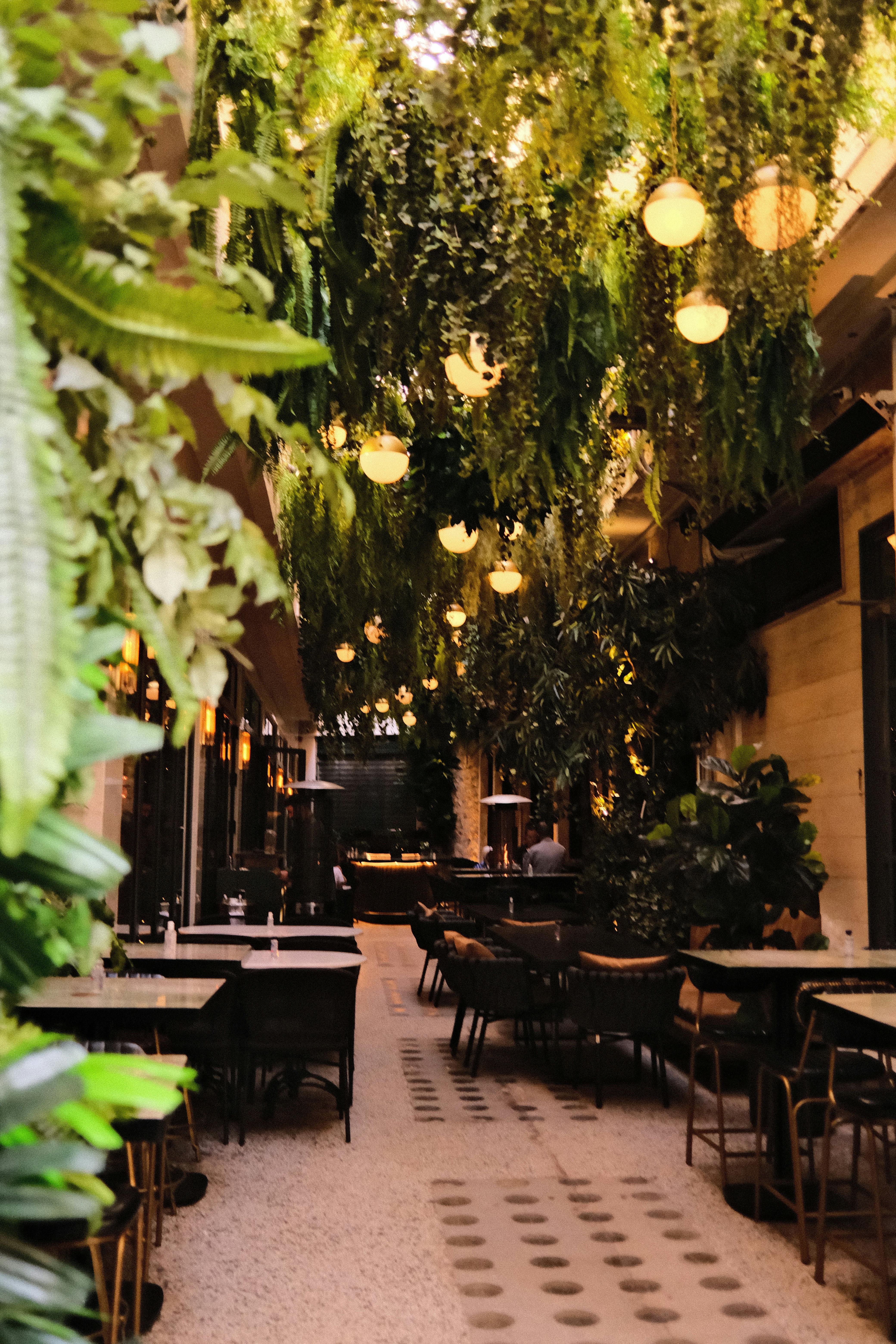
Not all cafes are created equal. Forget the trendy, loud coffee shops. Instead, seek out cafes tucked away in quiet alleyways or side streets. Look for those that prioritize a calm atmosphere, perhaps with soft lighting, comfortable seating, and a focus on minimizing noise. Some may even have outdoor seating in a secluded courtyard, further enhancing the sense of escape.
Consider: Look for independent coffee shops that showcase local art or offer live acoustic music at off-peak hours (check their schedules in advance). The key is to find a space that values a relaxing environment.
5. The Quiet Corner of a Historic Church or Temple
Places of worship, even in the heart of a city, often offer a sense of profound peace. Whether you're religious or not, the architecture, the atmosphere, and the history of these spaces can be incredibly calming. Many churches and temples have quiet areas or meditation rooms, specifically designed for contemplation. Visiting during off-peak hours, such as weekdays or early mornings, ensures a more tranquil experience.
Suggestion: Explore the architecture. Observe the details, the stained-glass windows, the intricate carvings. These features often contribute to a sense of awe and quiet reflection.
6. The Overlooked Rooftop Terrace (with Limited Access)
Rooftop bars are all the rage, but they're rarely quiet. However, some buildings have rooftop terraces that are less frequented, perhaps those attached to hotels or private clubs. These spaces often offer stunning city views and a much quieter atmosphere than their bustling counterparts. The key is to find one that's not overly crowded and that prioritizes a more relaxed environment.
Pro Tip: Check for hotels with rooftop terraces that are open to the public (or have a restaurant you can dine at to gain access). Look for reviews that mention the noise level to ensure a peaceful experience.
7. The Serene Space of a Yoga Studio or Meditation Center
This may seem obvious, but it's worth mentioning. Yoga studios and meditation centers are specifically designed to promote relaxation and mindfulness. Even if you're not a regular practitioner, many offer drop-in classes or quiet spaces for contemplation. The focus on breathing, movement, and a calm environment makes these spaces perfect for escaping the city's chaos.
Recommendation: Research different studios in your area and choose one that aligns with your needs and preferences. Look for classes or sessions that are specifically designed for beginners or those seeking a more restorative experience.
Conclusion: Your Actionable Takeaways
The city's noise doesn't have to dictate your experience. By seeking out these unexpected noise havens, you can find pockets of tranquility in even the most bustling urban environments. Your next steps?
- Research: Use online resources to identify hidden gems in your city.
- Explore: Venture off the beaten path and discover new places.
- Embrace: Take advantage of these quiet spaces whenever you need a moment of peace.
Happy exploring, and may your days be filled with moments of urban serenity!
This post was published as part of my automated content series.

Comments