
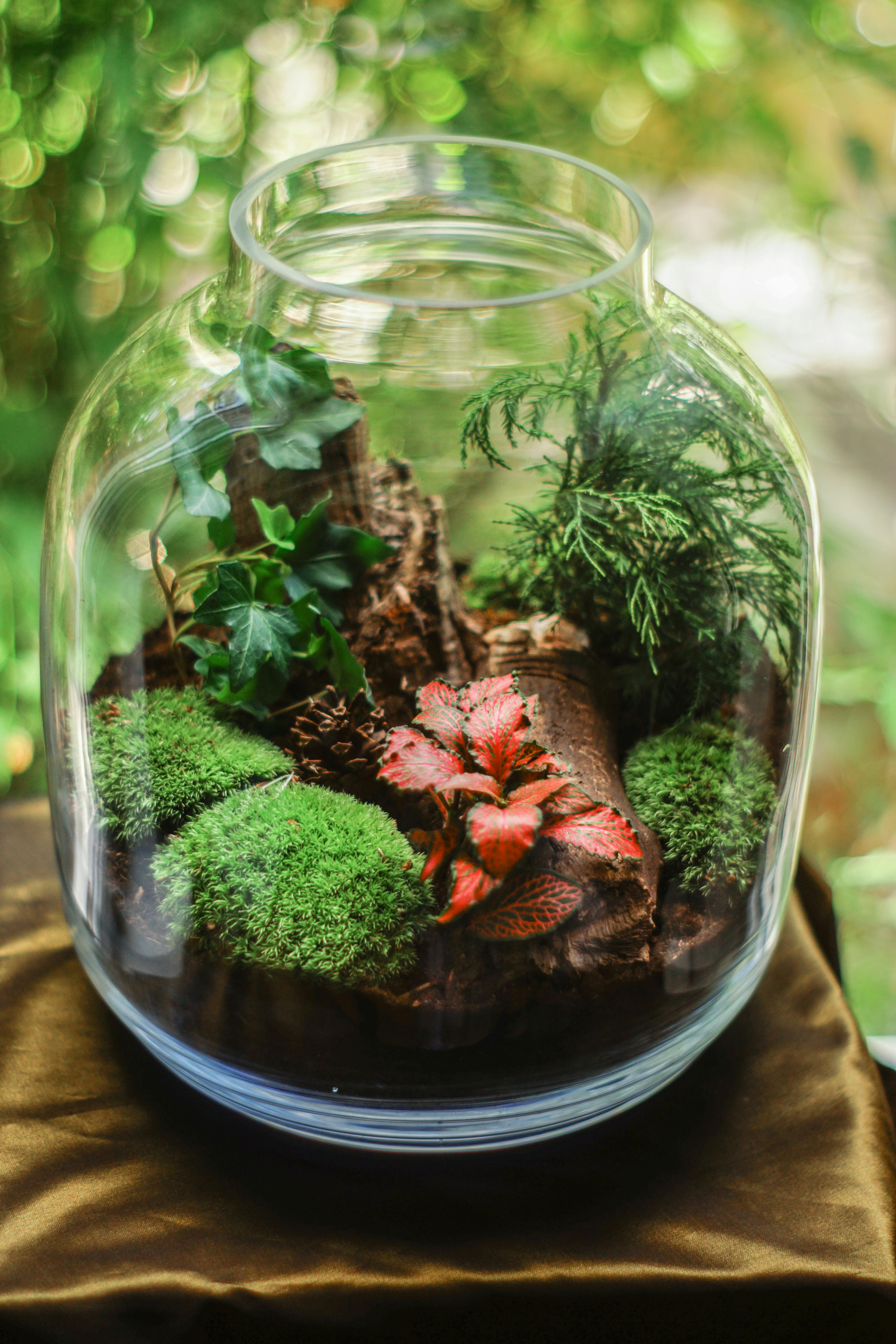
Level Up Your Indoor Jungle: DIY Terrarium Secrets
Remember those tiny, magical worlds you'd see in fairy tales, encased in glass? Well, you can create one of those yourself, right on your windowsill! Terrariums aren't just pretty; they're miniature ecosystems, self-contained gardens that bring a touch of nature into your home with minimal effort. And the best part? They're surprisingly easy to build, even if you're the type who accidentally kills succulents (no judgment!). This guide will unlock the secrets to crafting a thriving terrarium, turning you from a plant novice into a miniature landscape architect.
What You'll Need: The Terrarium Toolkit
Before you get your hands dirty, let's gather your supplies. Think of this as your green thumb's starter kit. Here's what you'll need:
- A Glass Container: This is your terrarium's home! Choose something clear, so you can admire your creation. Consider different shapes and sizes. A mason jar is a classic, but a fishbowl, a repurposed cookie jar, or even a vintage cloche can work beautifully. The size will dictate how many plants you can use.
- Drainage Layer: Small pebbles, gravel, or even aquarium gravel. This is crucial for preventing root rot.
- Activated Charcoal: This is your terrarium's air purifier! It helps remove toxins and odors, keeping your mini-ecosystem healthy. You can find this at most pet stores or garden centers.
- Terrarium Soil: A specialized blend is best. Look for a mix designed for terrariums or tropical plants. Regular potting soil can be too dense and retain too much moisture.
- Plants: Choose plants that thrive in humid environments and don't grow too large. Think ferns, mosses, small succulents (for open terrariums), peperomias, or even a miniature orchid. Research the light requirements of your chosen plants.
- Decorative Elements (Optional): Get creative! Small stones, figurines, driftwood, or colorful sand can add personality and flair.
- Tools:
- A small spoon or trowel
- Long-handled tweezers or chopsticks (for planting)
- A spray bottle (for watering)
- Gloves (optional, but helpful for keeping your hands clean)
Step-by-Step Terrarium Construction: Building Your Mini-World
Alright, let's get building! Follow these steps, and you'll have a gorgeous terrarium in no time.
- Prepare Your Container: Clean your glass container thoroughly. Make sure it's completely dry before starting.
- Add the Drainage Layer: Pour a layer of pebbles or gravel into the bottom of your container. This layer should be about 1-2 inches deep, depending on the size of your container.
- Add Activated Charcoal: Sprinkle a thin layer of activated charcoal over the drainage layer. This will help to filter the air and prevent mold growth.
- Add Terrarium Soil: Add a layer of your terrarium soil on top of the charcoal. The depth of this layer will depend on the size of your plants, but generally, 2-3 inches is a good starting point.
- Plant Your Plants: This is the fun part! Carefully remove your plants from their nursery pots. Use your tweezers or chopsticks to gently position them in the soil. Create little pockets in the soil to make planting easier. Space your plants so they have room to grow.
- Add Decorative Elements: Arrange your decorative elements to create a visually appealing landscape.
- Water Sparingly: Use your spray bottle to lightly mist the soil. Avoid overwatering, as this is a common mistake. The soil should be damp, not soggy.
- Clean the Glass: Use a clean cloth or paper towel to wipe down the inside of the glass, removing any soil or debris.
Terrarium Care: Keeping Your Ecosystem Thriving
Congratulations! You've built your terrarium. Now comes the easy part: caring for it. Here's how to keep your miniature world happy and healthy.
- Light: Place your terrarium in a location with bright, indirect light. Avoid direct sunlight, which can scorch the plants. The amount of light needed varies depending on the plants you've chosen.
- Watering: The key to terrarium watering is moderation. The frequency will depend on the environment, plants, and the type of terrarium you've made (open vs. closed). Generally, you'll only need to water every few weeks or even months. Check the soil moisture by gently touching it. If it feels dry, give it a light misting. If it feels damp, wait. If you see condensation on the glass, it's a sign that the terrarium is getting enough moisture.
- Ventilation (for closed terrariums): If you have a closed terrarium, you may need to open it for a few hours every week or so to allow for air circulation and prevent excessive condensation.
- Pruning: Trim any dead or overgrown leaves to keep your plants looking their best and to encourage new growth.
- Troubleshooting:
- Yellowing leaves: Could indicate overwatering or too much direct sunlight. Adjust your watering schedule and/or move the terrarium to a shadier spot.
- Fungal growth: This can happen if the terrarium is too humid or has poor air circulation. Remove any affected leaves, improve ventilation (if it's a closed terrarium), and ensure you're not overwatering.
Open vs. Closed Terrariums: Choosing the Right Style
The type of terrarium you build will impact the plants you choose and the care required. Here's a quick breakdown:
- Closed Terrariums: These are enclosed with a lid or stopper. They create a humid environment, ideal for plants that thrive in moisture, like ferns and mosses. They require less frequent watering but may need occasional ventilation.
- Open Terrariums: These are open to the air. They're better suited for plants that prefer drier conditions, such as succulents and air plants. They require more frequent watering than closed terrariums.
Case Study: My First Terrarium Fiasco (and How I Fixed It!)
When I first started, I made every mistake in the book! I crammed too many plants in, used regular potting soil, and watered way too often. The result? Mold, unhappy plants, and a general feeling of gardening despair. Thankfully, I learned from my mistakes. I repotted the plants, switched to a proper terrarium soil mix, and significantly reduced the watering. Now, that first terrarium is thriving. It's a testament to the fact that anyone can learn to create a beautiful and healthy indoor garden, even if they start with a few bumps along the way.
Actionable Takeaways: Your Terrarium Success Checklist
Ready to create your own terrarium masterpiece? Here's a quick recap of the key takeaways:
- Choose the right container: Consider size, shape, and whether you want an open or closed terrarium.
- Use the right materials: Drainage layer, activated charcoal, terrarium soil, and appropriate plants are essential.
- Follow the step-by-step instructions: Layer your materials correctly.
- Water sparingly: Avoid overwatering!
- Provide the right light: Bright, indirect light is usually best.
- Monitor and adjust: Observe your terrarium and adjust your watering and light accordingly.
Building a terrarium is a rewarding experience. It's a chance to connect with nature, get creative, and add a touch of green to your living space. So, gather your supplies, embrace the process, and get ready to enjoy your own little slice of paradise!
This post was published as part of my automated content series.

Comments